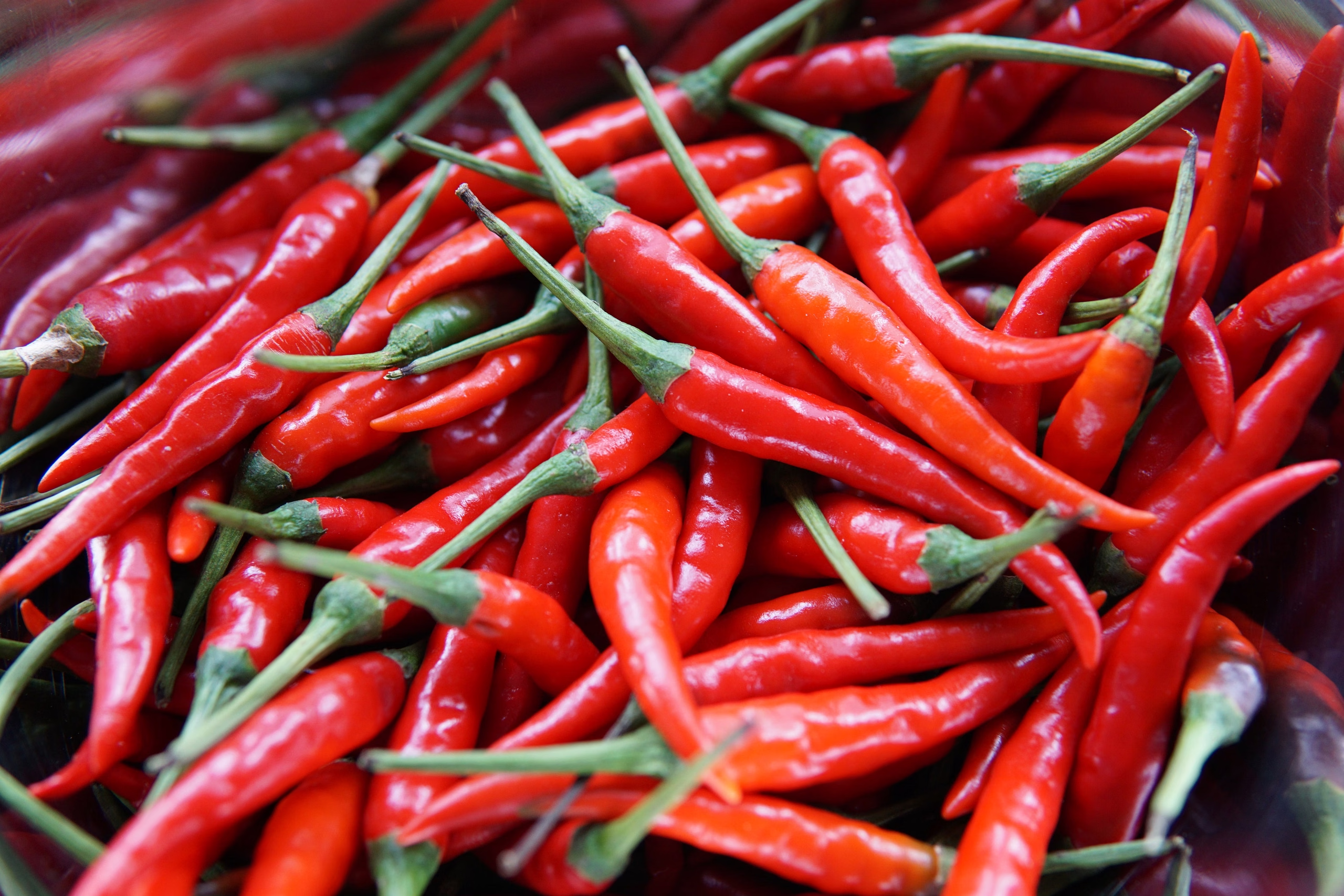
Chilli has been cultivated in Latin America for at least 6,000 years and was one of the first crops Europeans brought back from the New World in the 1400s. Today chilli is one of the world's most widely used spices and exists in more than 3,000 documented varieties with a heat scale ranging from 0 (bell pepper) to 3.18 million Scoville units (Pepper X).
The Scoville Scale
The heat of chilli is measured in SHU (Scoville Heat Units):
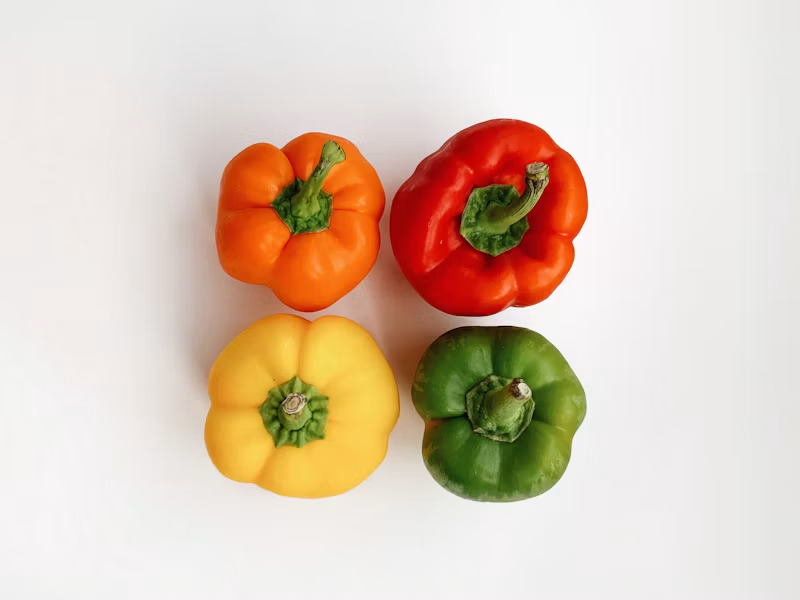
- Bell pepper – 0 SHU
- Poblano / Ancho – 1,000–2,000 SHU
- Jalapeño – 2,500–8,000 SHU
- Serrano – 10,000–25,000 SHU
- Cayenne – 30,000–50,000 SHU
- Habanero – 100,000–350,000 SHU
- Ghost pepper (Bhut jolokia) – ~1,000,000 SHU
- Carolina Reaper – up to 2,200,000 SHU
Care
Light
Chilli are sun lovers par excellence. Give them maximum sun — at least 8 hours per day. Indoor growers should invest in a grow light during the winter season.
Watering
Chilli is more drought-tolerant than tomato and bell pepper. Water when the top 3–4 cm of soil is dry. Overwatering is the most common mistake — it causes yellow leaves and root rot.
Feeding
Balanced fertiliser every three weeks during the season. Avoid too much nitrogen.
Soil & Pot
Well-draining, slightly acidic soil (pH 6–6.8). A pot of 5–10 litres per plant is sufficient for most varieties.
Overwintering
Unlike tomatoes, chilli can survive winter indoors! Cut the plant back to about 15 cm, place it in a cool (10–15 °C), bright room and water only sporadically. In spring it will sprout again and give an even more abundant harvest in year 2.
Harvest
Pick chilli fruits when they have reached the desired size and colour. Green chilli is milder; fully ripened red, orange or yellow is hotter and sweeter. Use gloves when handling hotter varieties and never touch your face — capsaicin is extremely difficult to wash off skin.