Propagation and Cuttings
One of the most magical aspects of plant keeping is that you can make more plants — for free — from ones you already have. Propagation is rewarding, surprisingly straightforward, and a great way to share your plants with friends and family.
Stem cuttings — the most common method
Stem cuttings work for the majority of popular houseplants: pothos, philodendron, monstera, rubber plant, tradescantia, hoya and many more.
How to take a stem cutting
- Choose a healthy stem with at least 2–3 leaves and a node (the bump where leaves or roots emerge)
- Cut just below a node with clean, sharp scissors or a knife — a clean cut heals faster
- Remove the lower leaves — you want only 1–2 leaves at the top, no leaves below the water or soil line
- Let it callus (for succulents) — let the cut end dry for a day before potting
Rooting in water
Place the cutting in a glass of water, making sure no leaves are submerged. Put it in bright indirect light. Change the water every few days. Roots should appear within 1–4 weeks.
Once roots are 3–5 cm long, pot into moist soil. Keep the soil consistently moist for the first few weeks as the plant adjusts.
Rooting in soil
Dip the cut end in rooting hormone (optional but helpful), then push it into moist, well-draining potting mix. Keep the soil evenly moist and cover with a clear plastic bag or humidity dome to maintain humidity. Roots should form within 2–6 weeks.
Division
Works for clump-forming plants like peace lily, snake plant, calathea, spider plant and ZZ plant.
- Remove the plant from its pot
- Gently separate the root ball into 2 or more sections — each must have roots and leaves
- Pot each section into fresh soil
- Water well and keep out of direct sun for a week or two
Offsets and runners
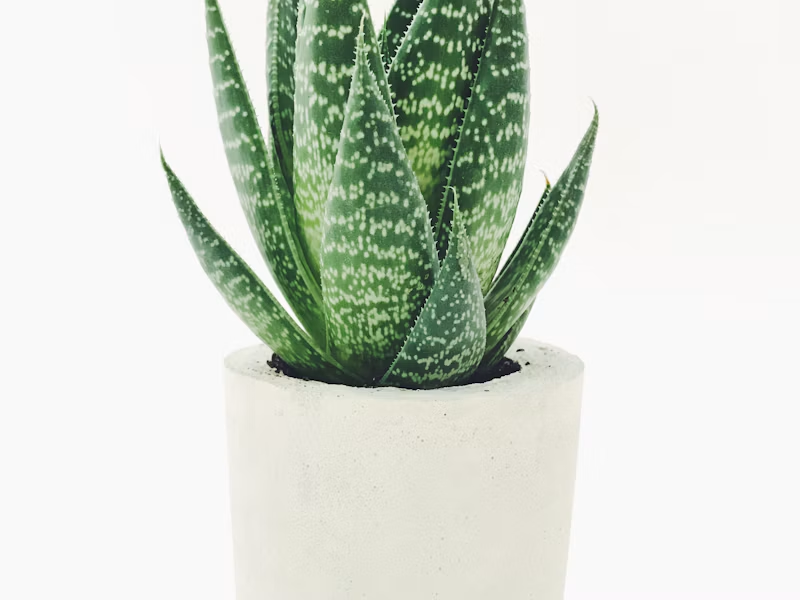
Spider plants produce long runners with miniature plants at the tips — just cut them off once they have a few roots and pot them up. Aloe vera produces pups (baby plants) at the base — remove these when they're a few centimetres tall.
Leaf cuttings
Some plants — notably snake plant, succulents and begonias — can be propagated from a single leaf.
For snake plant: cut a leaf into 5–8 cm sections and insert upright into moist soil, keeping the orientation correct (the bottom of the leaf must face down).
For succulents: gently twist off a healthy leaf, let it dry for a day, then lay it on top of dry, well-draining mix. Mist lightly every few days. Tiny plants will emerge from the base of the leaf over several weeks.
Tips for success
- Propagate in spring or early summer — warm temperatures and growing conditions mean faster rooting
- Use clean tools — disinfect scissors between plants to avoid spreading disease
- Be patient — some cuttings take months; check for resistance (gentle tug) to test if roots have formed
- Don't give up too quickly — even slow-rooting cuttings may surprise you
Every cutting is a small act of faith — a belief that life wants to continue and multiply. Propagation is, in essence, optimism made practical.