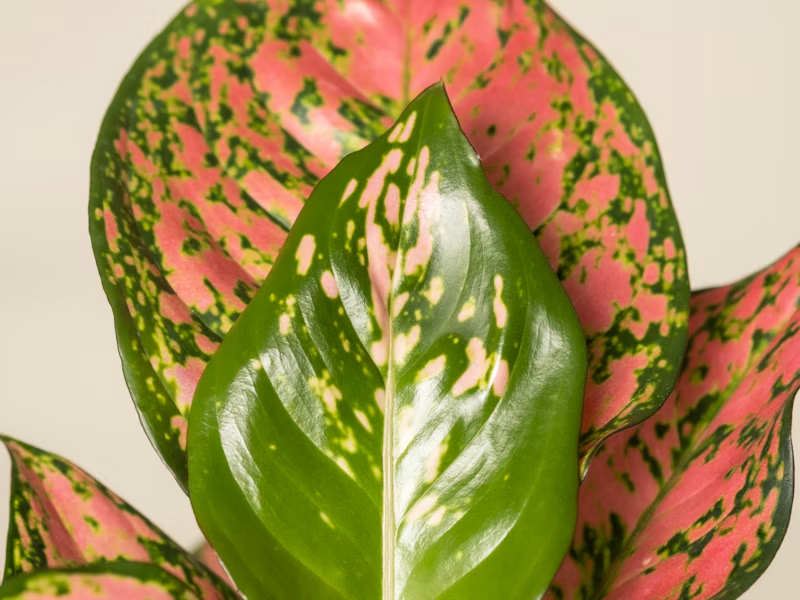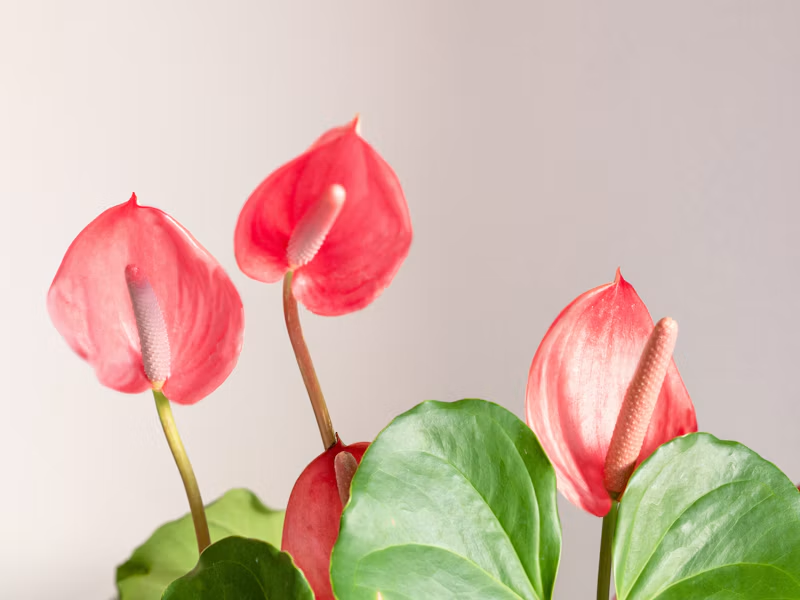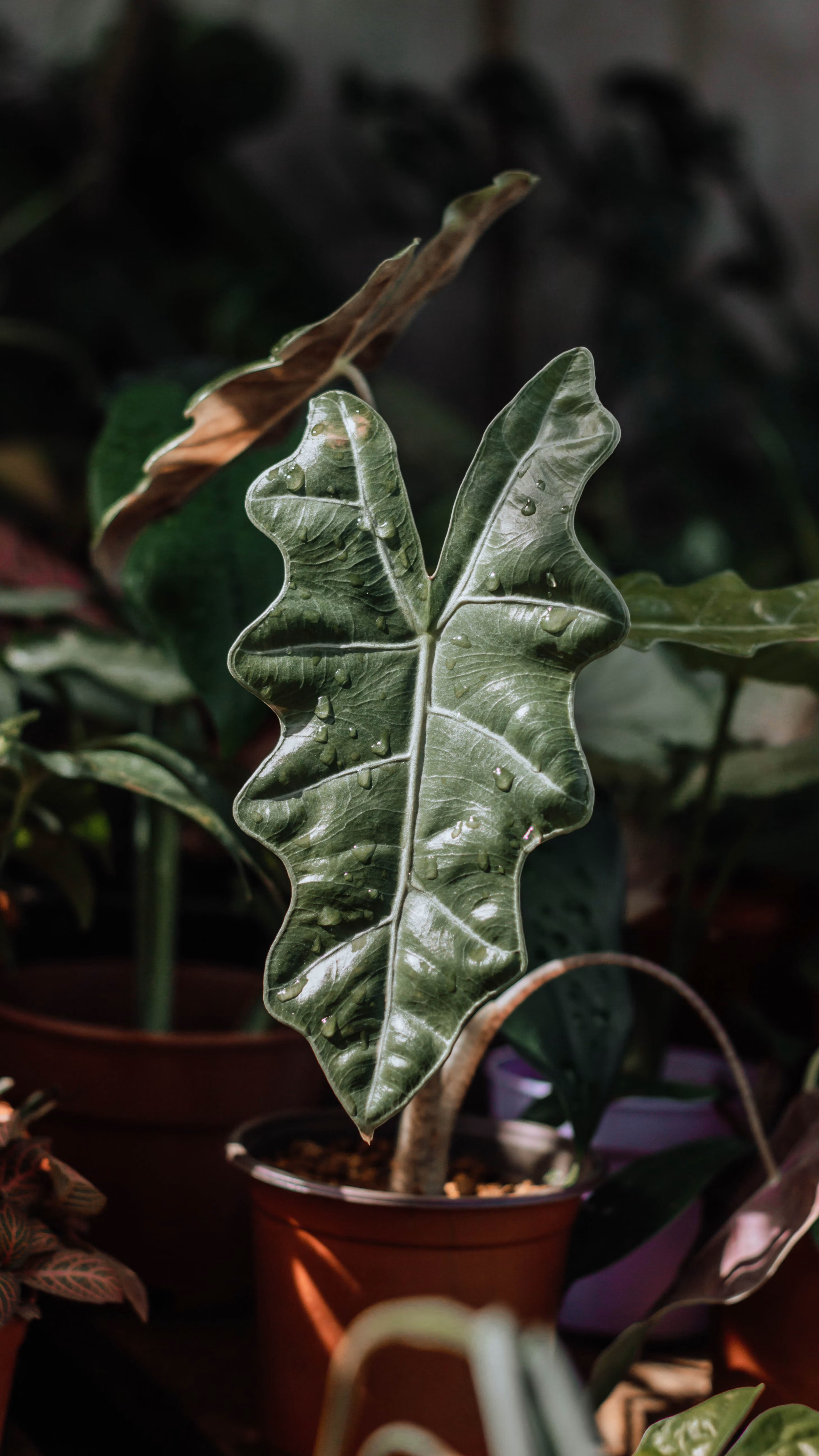
Alocasia is sculptural as album art: dark, pointed leaves with white veins that look hand-drawn. It makes demands — but few plants make such a strong interior statement.
Origin and natural habitat
The Alocasia genus comprises about 80 species in tropical Asia, from India to New Guinea. 'Polly' is a cultivated hybrid close to Alocasia longiloba, whose relatives cool shaded forest streams in their native range.
Care
Light
Bright indirect light gives the best foliage and colour. Too little light yields small, green leaves; direct sun scorches.
Watering
Keep the soil lightly moist but never soggy, and water less in winter when the plant often rests. Alocasia wilts theatrically from both drought and overwatering.
Soil and feeding
Airy, coarse soil with bark and perlite. Feed fortnightly during growth. A winter rest with cooler temperatures and sparse watering yields stronger spring shoots.
Common problems
Yellow leaves are the most common worry and stem from overwatering, cold, or winter rest. Spider mites enjoy dry air. All leaves dropping in winter is often normal dormancy — let the root rest until spring.
Good to know
Alocasia is called elephant's ear for its huge leaves — in the wild, leaves of some species grow over two metres wide. Note: toxic.