Getting Started with Houseplants
Starting your plant journey is one of the most rewarding things you can do for your home and your wellbeing. But it can feel overwhelming at first — so many species, so many different needs. This guide will get you started the right way.
Choosing your first plant
The biggest mistake beginners make is choosing a plant that looks beautiful in the shop without considering whether it suits their home environment.
Instead, start by asking yourself:
- How much light do I have? Most homes have moderate indirect light.
- How often do I want to water? Be honest — if you travel often, choose something drought-tolerant.
- What size plant do I want? A large statement plant or a compact windowsill collection?
Great starter plants
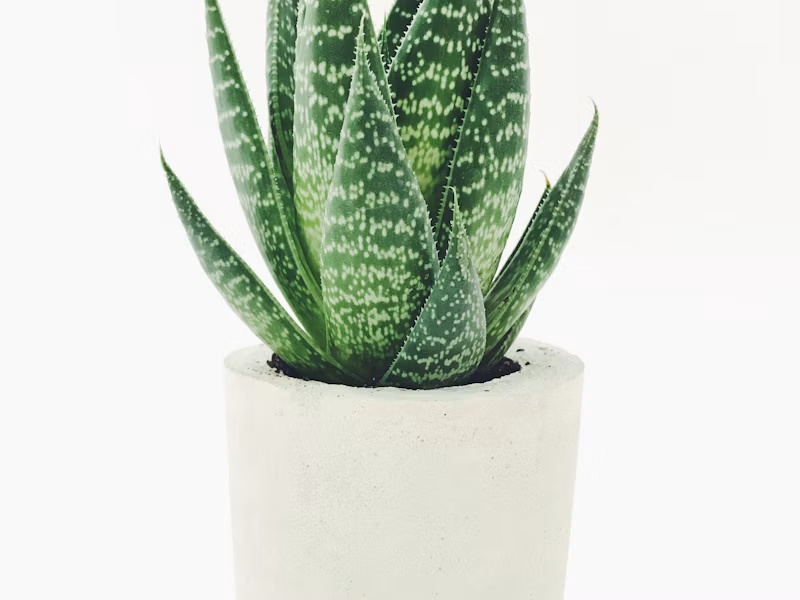
For low-light homes: ZZ plant, pothos, peace lily, snake plant For forgetful waterers: ZZ plant, snake plant, cactus, aloe vera For bright rooms: monstera, rubber plant, dracaena For fast growth and reward: pothos, spider plant, philodendron
The right pot and soil
Drainage is everything
The most important feature of any pot is a drainage hole. Without one, water pools at the bottom and causes root rot — the number one killer of houseplants.
If you love a decorative pot without a drainage hole, use it as a cachepot (outer pot) with a plain nursery pot inside.
Choosing soil
Standard potting compost works for most leafy houseplants. But specialised mixes make a real difference:
- Succulent and cactus mix — gritty and fast-draining
- Orchid bark — chunky, airy mix for orchids
- Peat-free potting compost — for ferns, calathea and moisture-loving plants
The three fundamentals
Once you have your plant in the right pot with good soil, success comes down to three things:
1. Light
Place your plant where it gets the right amount of light for its species. Most tropical houseplants want bright indirect light — near a window but not in direct sun.
2. Watering
The finger test is your best tool: press your finger 2–3 cm into the soil. Water only when the top layer is dry. More plants die from overwatering than underwatering.
3. Temperature and humidity
Most houseplants come from tropical environments and prefer temperatures above 15°C and humidity above 40%. Avoid placing them near radiators, draughty windows or air conditioning vents.
Building confidence
Plant care is a skill you build over time. Every plant teaches you something new. Here's how to grow your confidence:
- Observe your plants daily — you'll start to notice subtle changes before they become problems
- Keep a simple plant diary — note when you water, when you repot, any issues you notice
- Start with forgiving species — let yourself succeed before tackling demanding plants
- Don't be afraid of failure — even experienced growers lose plants sometimes
Common beginner questions
"My leaves are yellowing — what's wrong?" Usually overwatering. Check the soil moisture and reduce watering frequency.
"My plant looks healthy but isn't growing." Often insufficient light, or it's the dormant season. Move it closer to a window.
"I found tiny flies in my soil." Fungus gnats — very common. Let the soil dry out more between waterings, or use yellow sticky traps.
"When should I repot?" When roots are growing out of the drainage hole, or the plant seems to be drying out much faster than usual. Spring is the best time.
Every expert was once a beginner who kept trying. Your green journey starts with one plant and one small success.
Welcome to the world of houseplants. You're going to love it here.