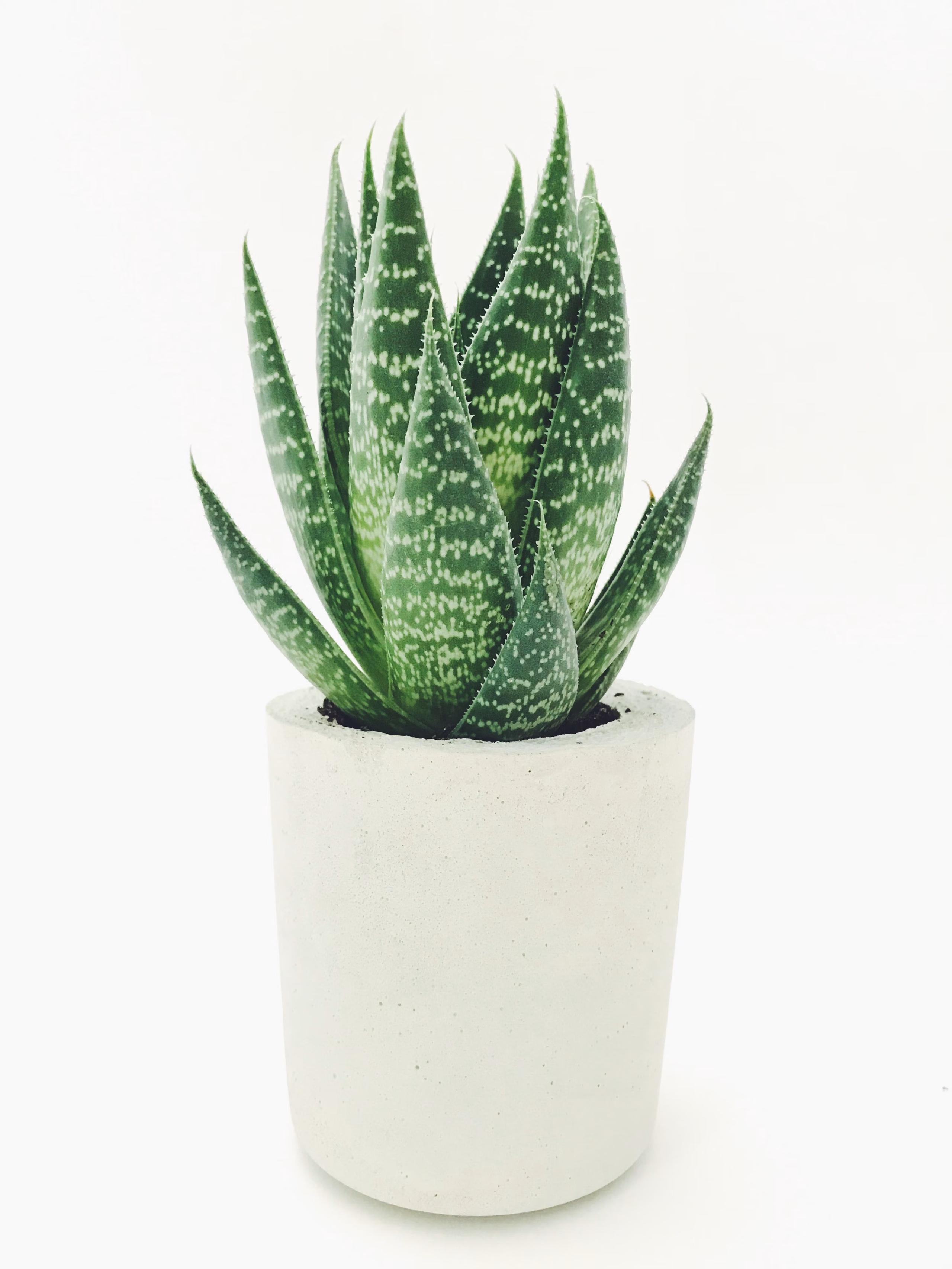
Aloe vera is one of the world's oldest medicinal plants, used by humans for thousands of years — from ancient Egypt to modern cosmetics. But beyond its legendary gel, aloe is a beautiful, minimalist plant that thrives on sunny windowsills with minimal care.
Overview
Native to the Arabian Peninsula and North Africa, aloe vera has been spread by humans to subtropical regions around the world for millennia. The Egyptians called it "the plant of immortality," and historical records show it was cultivated in Mesopotamia as early as 2100 BC. Today it appears in cosmetics, health drinks, wound-care products, and countless other applications — one of the most commercially exploited plants on the planet.
Light
Aloe vera loves light — the more, the better. Place it on a south- or west-facing windowsill with full sun. If the plant stretches toward the light or the leaves lose their green intensity, it needs more sun.
Note: If you move an indoor aloe to direct outdoor sun in summer, do so gradually — otherwise the leaves can get sunburned.
Watering
Overwatering is the most common reason aloe vera dies. Water generously, but then let the soil dry out completely before the next watering — typically every 3 to 4 weeks in summer and even less frequently in winter. Always use a pot with drainage holes; aloe will never tolerate standing in stagnant water.
Soil & Pot
Use cactus or succulent soil, or mix standard potting soil with sand or perlite (1:1). A terracotta pot is ideal because it breathes and helps keep the roots dry.
The Gel & Its Uses
The gel inside aloe vera's leaves — a clear, viscous substance — has proven effectiveness on minor burns, sunburn, and skin irritation. Gently break off an outer leaf near the base, let the yellow aloin layer (which can irritate skin) drain off, and apply the clear gel directly to the skin.
Note: Consuming large amounts of aloe gel can cause digestive problems. Always consult a doctor before internal use.
Propagation
Aloe vera regularly produces offsets, called "pups," at the base. These can be carefully separated once they are at least 8–10 cm tall and potted individually — one of the most rewarding aspects of growing aloe.