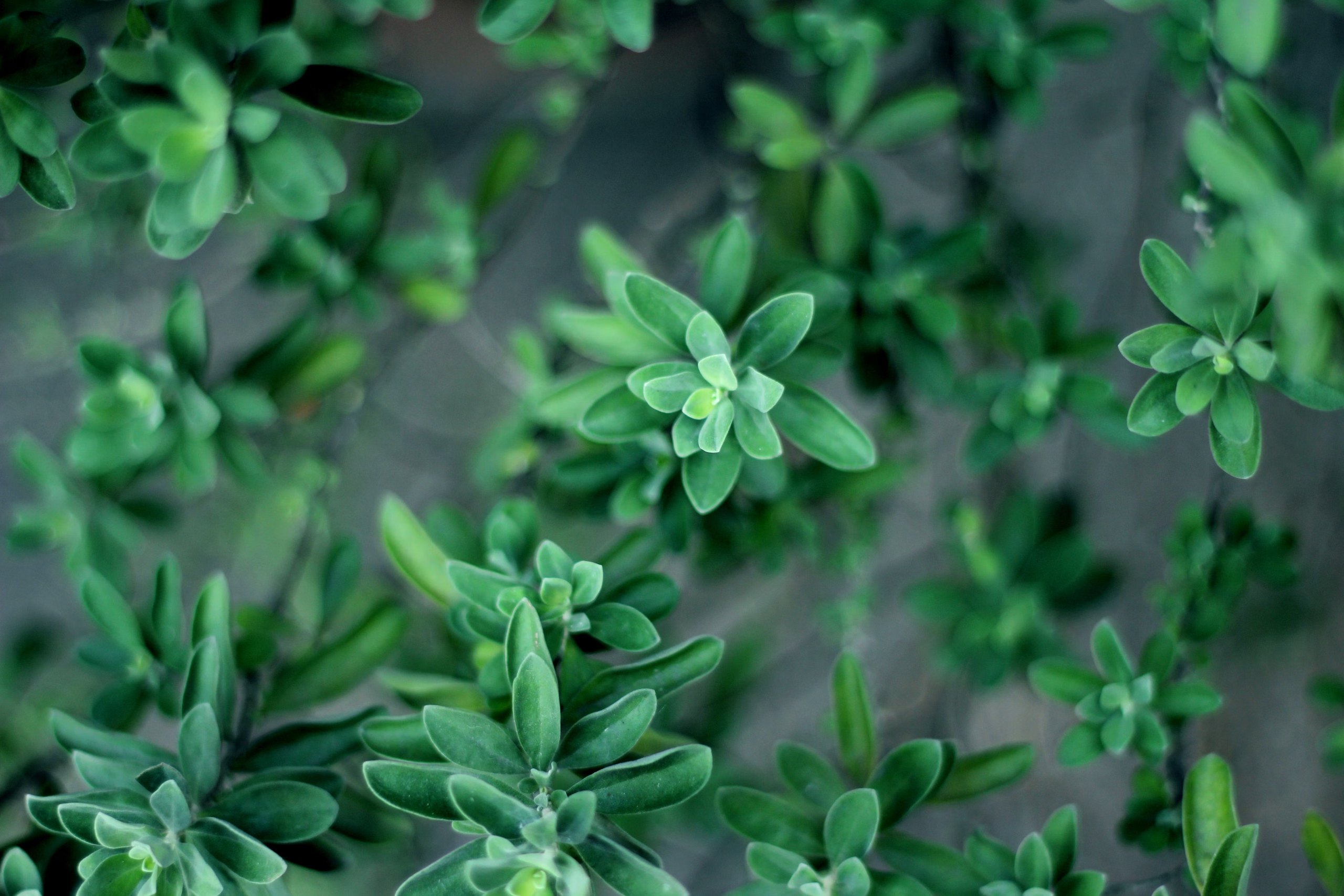
Thyme is equally at home between paving slabs and in a pot: a drought-tolerant groundcover with intense fragrance. Bees love the flowers, cooks love the leaves.
Origin and natural habitat
Thyme comes from the Mediterranean's dry hillsides, where it forms fragrant mats on stony ground. Its aromatic oils protect against drought — and underpin the herb's medicinal reputation.
Care
Light
Full sun gives the most fragrance and tightest growth. Indoors: a bright south window. Excellent in pots or gravel gardens.
Watering
Let the soil dry out completely between waterings. Thyme is semi-succulent and tolerates drought better than most — it dies of loving overwatering sooner than neglect.
Soil and feeding
Sandy, lean, sharply drained soil. Feed barely at all. After flowering: shear back by half for a dense cushion. Dried sprigs keep their scent for months.
Common problems
Rot in the centre means too damp and crowded — thin and prune. Grey foliage after winter: shear off in spring. Leggy growth indoors means low light.
Good to know
The Egyptians used thyme in embalming, and in antiquity it was burned as incense. Thymol is still used in mouthwash today. Safe for cats and dogs.