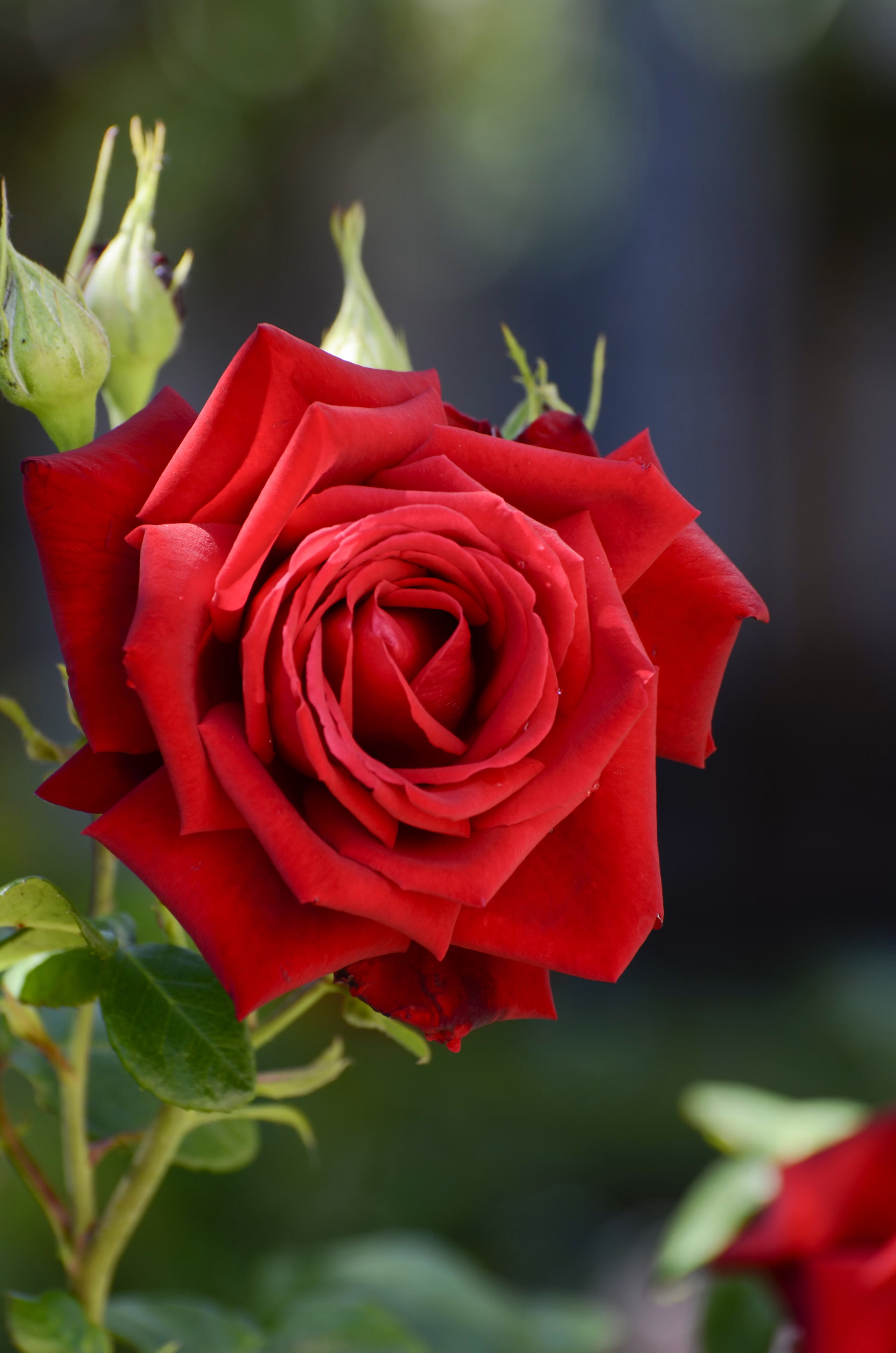
The rose has been cultivated for more than 5,000 years and is without doubt the most iconic garden plant in Scandinavia. From simple wild roses along roadsides to magnificent park roses with hundreds of petals — the world of roses contains a breathtaking diversity of forms, fragrances, and colours.
Varieties for the Scandinavian Climate
In Scandinavia it is important to choose hardy roses that can tolerate cold winters. The most reliable varieties include park roses such as Rosa 'Therese Bugnet' and Swedish 'Wasagaming', which are very hardy and require minimal care. Shrub roses of the Knock Out type or English roses from David Austin combine floral beauty with good hardiness. Burnet roses (Rosa pimpinellifolia) and rugosa roses (Rosa rugosa) are naturally adapted to Northern European conditions and handle both cold and salt-laden air excellently.
Light
Roses require at least 6 hours of direct sunlight per day. A sunny, airy position reduces the risk of fungal diseases such as powdery mildew and black spot.
Watering
Water deeply and regularly, preferably directly at the root to avoid moisture on the leaves. During dry periods, roses need 20–30 litres of water per week. Water in the morning so leaves can dry during the day.
Feeding
Fertilise with a rose-specific fertiliser three times per season: in May, in June–July, and last in mid-July (avoid late feeding which produces soft growth ahead of frost). Compost around the rose base in autumn improves soil structure and nutrient value.
Pruning
Pruning in spring (April–May, when forsythia blooms) is essential. Remove dead, diseased, and crossing branches. Reduce the bush to 3–5 strong, outward-pointing shoots. Always use sharp, clean secateurs to avoid spreading disease.
Winter Protection
In zone 3 and colder, more sensitive roses should be protected before winter: mound soil, leaves, or a brush-wood screen around the base in November. Remove protection gradually in April.
Common Problems
Black spot (Diplocarpon rosae) shows as black spots on the leaves which then yellow and fall off. Choose resistant varieties, avoid wetting the leaves, and remove and discard infected leaves — never put them in the compost.
Aphids gather in dense colonies on young shoots and buds. Treat with insecticidal soap, encourage ladybirds, and put up bird nesting boxes nearby.
Powdery mildew appears as a white powder on leaves and buds in warm, dry weather. Good air circulation and resistant varieties are the best prevention.
Fun Fact
The wild ancestor of garden roses, Rosa canina — the dog rose — grows wild throughout Scandinavia and produces hips very high in vitamin C. During the Second World War, rosehips were used as an important source of vitamin C in Scandinavia when tropical fruits were scarce.